
Your Essential Guide to Buying Property in Bulgaria
Dreaming of owning a piece of Bulgaria, whether it’s a sun-drenched Black Sea apartment, a cozy Bansko ski chalet, or a Sofia city pad? You've come to the right place. This guide outlines the purchase process, costs to investigate, and checks to discuss with independent advisers.
Bulgaria offers a range of locations for international property buyers. Its ancient history and varied natural landscapes may appeal to buyers, while living costs depend on location and lifestyle. From the vibrant streets of Sofia to the serene Rhodope Mountains, buyers can explore different settings. The process of securing a property involves legal and administrative steps that require preparation. We're here to walk you through every beat.
The Journey: From Offer to Keys
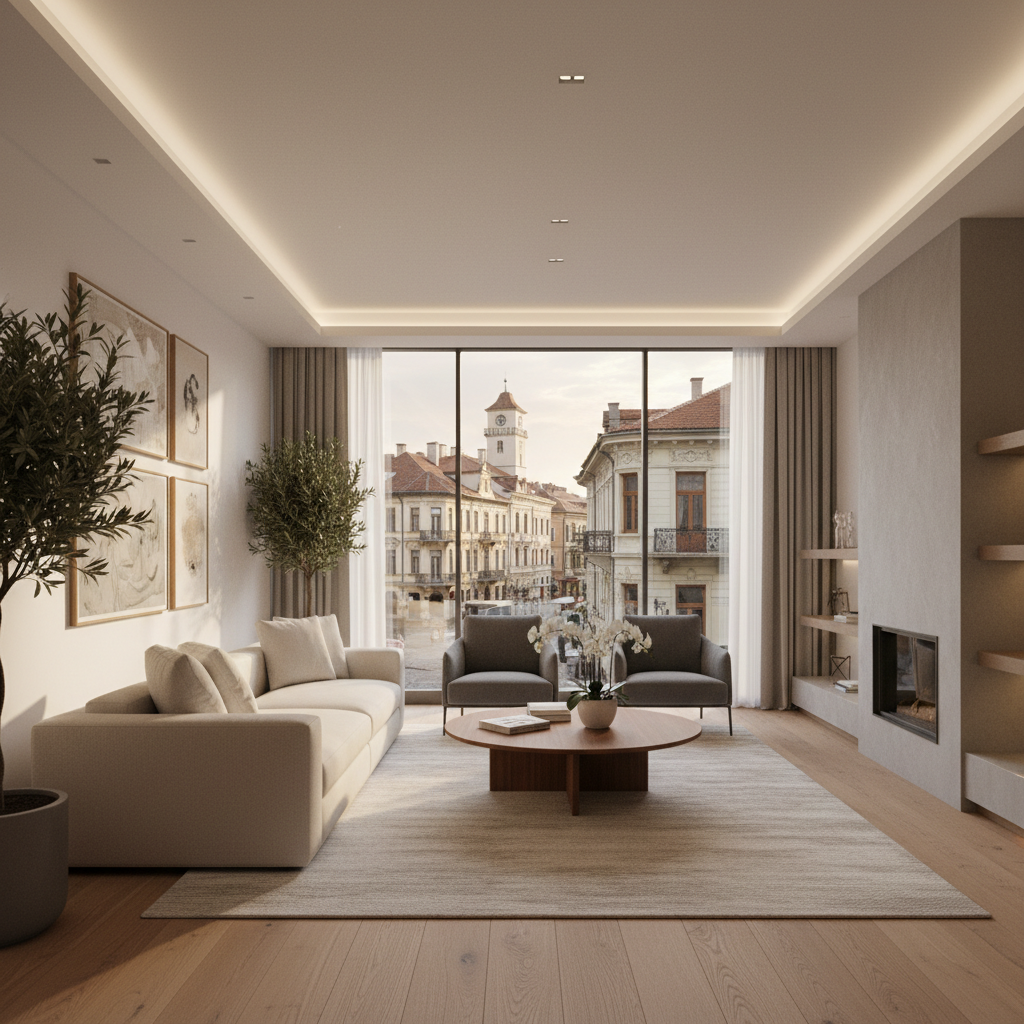
The time from offer to keys depends on due diligence, financing and document readiness. The flow is logical: you'll start with a reservation deposit, move into a meticulous due diligence phase, sign a preliminary contract with a larger deposit, proceed to the crucial notary deed, and finally, registration. What’s particularly convenient for international buyers is that most of these steps can be seamlessly handled remotely, once you’ve provided a trusted Bulgarian lawyer with a power of attorney. This means less back-and-forth travel for you!
Step 1: Securing Your Chosen Property with a Reservation
Once that perfect property catches your eye, the first step is to take it off the market. A reservation deposit may be agreed with the seller. Its amount and the reservation period should be recorded in writing. Crucially, always ensure this deposit is held in an escrow account by the seller's lawyer or the real estate agency, never directly transferred to the seller themselves. Your reservation contract should be watertight, clearly outlining the conditions under which your deposit is fully refundable, particularly if due diligence uncovers any unforeseen issues.
Step 2: The Indispensable Due Diligence
Your independent Bulgarian lawyer can review the property's legal status before you commit. Agree the scope of the checks and ask for any limitations to be explained. This isn't a step to skimp on. Here’s what they’ll be digging into:
- Clean Title Chain: Ensuring there are no restitution claims (a common historical issue), no missing co-owners, and a clear lineage of ownership.
- Freedom from Encumbrances: Confirming there are no mortgages, liens, outstanding utility bills, or court orders attached to the property.
- Cadastral Accuracy: Verifying that the property boundaries and physical reality precisely match the official cadastral records and deed.
- New Builds & Permits: For properties fresh off the construction line, ensuring Act 14 (structural completion) and Act 16 (occupancy permit) have been properly issued. Without Act 16, a property cannot legally be used for habitation.
- Building Fee Status: Confirming there are no outstanding debts to the owners' association for common area maintenance – a surprisingly common pitfall.
Due diligence fees depend on the lawyer and the scope of the checks. Due diligence can identify issues before you commit, but it does not eliminate every risk.
Step 3: Formalizing with a Preliminary Contract
The predvaritelen dogovor, or preliminary contract, is the cornerstone agreement. This legal document locks in the purchase price, specific terms, and the timeline for the final sale. The deposit amount is agreed in the contract. A key detail here: the consequences of seller default depend on the deposit's legal character, the contract and the circumstances. Conversely, if you, as the buyer, default, the deposit is forfeited. The preliminary contract should specify the deadline for final notary completion.
Step 4: The Notary Deed – Official Ownership Transfer
The notarial akt is the grand finale – the actual transfer of ownership. Both parties, or their authorized representatives, must sign this document in front of a licensed Bulgarian notary. The balance of the purchase price is typically paid at this stage, almost always via bank transfer. The notary will confirm receipt of these funds before the deed is officially signed. Confirm the Property Register filing procedure and timing with the notary. This registration legally confirms your new ownership.
The Full Cost Breakdown on Your Bulgarian Property
Beyond the sticker price, it's vital to have a clear picture of the additional expenses involved. Obtain a transaction-specific estimate rather than relying on comparisons with other countries.
- Transfer Tax: According to the Ministry of Economy and Industry, municipal councils set acquisition tax rates within the statutory framework, so rates differ by municipality. Confirm the applicable rate and taxable basis for the particular transaction. Check the current municipal rules for the property's location.
- Notary Fee: This depends on the transaction value and the applicable regulated tariff. Request a calculation for the specific transaction.
- Registration Fee: This depends on the applicable regulated tariff and transaction value.
- Lawyer Fees: Fees depend on the provider and scope of work. More complex transactions, perhaps involving undeveloped land or multiple owners, might incur higher fees.
- Buyer's Agent Commission: If you use a buyer's agent (and we often recommend it for first-timers), agree the fee, services and any applicable VAT in writing.
- Translator: If you are not fluent in Bulgarian, an official translator is required at the notary. Fees depend on the provider and scope of translation required.
Total additional buying costs vary by municipality, transaction value and the professional services used.
Ongoing Costs Post-Purchase
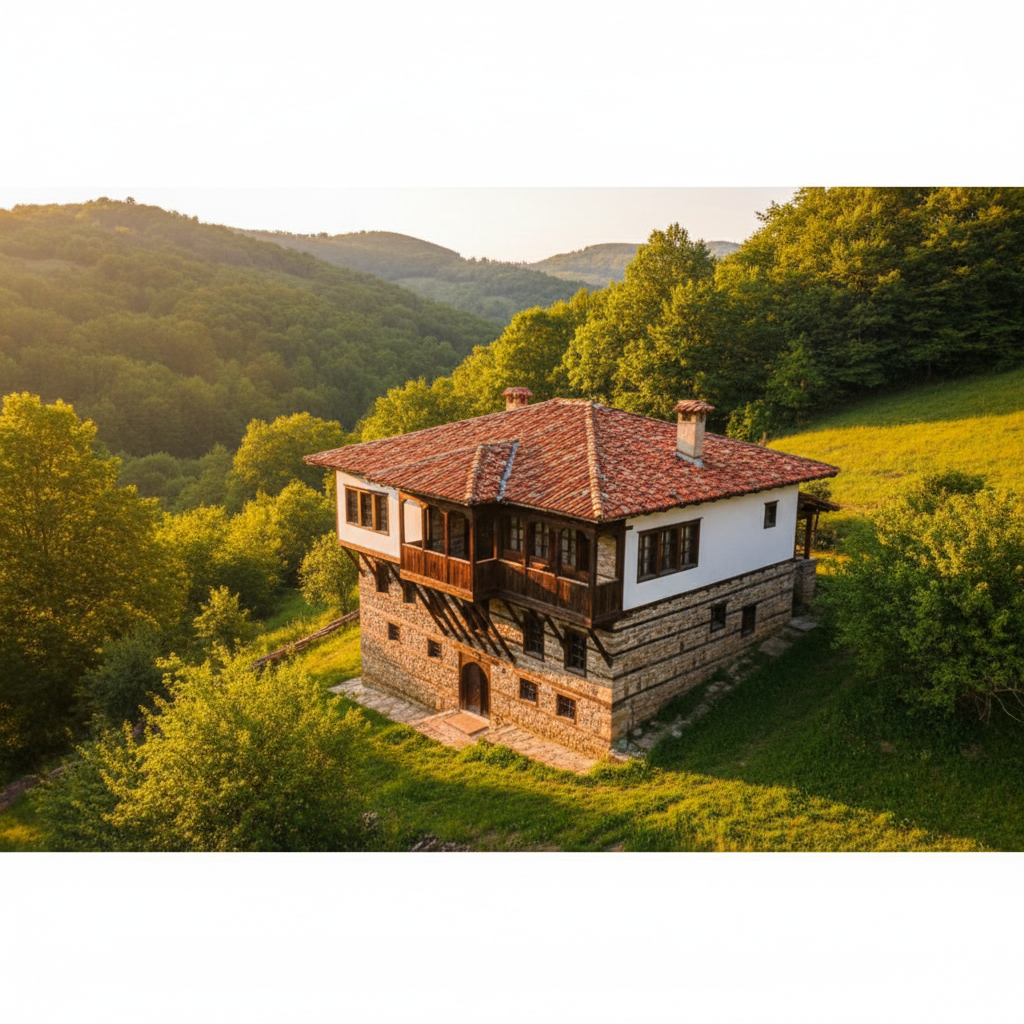
Becoming a property owner in Bulgaria also comes with a predictable set of annual and monthly expenses. Their affordability depends on the property, services used and your budget.
- Annual Property Tax + Waste Fee: Obtain a property-specific assessment from the municipality. The amount depends on local rules and the property's characteristics.
- Building Maintenance Fee: For apartments, charges depend on the building, shared facilities and management arrangements. Luxury developments or all-inclusive resorts can be higher.
- Utilities: Your monthly outgoings for electricity, water, district heating (common in cities), internet, and mobile depend on the size of your property, consumption, tariffs, and season (heating is a major factor in winter).
- Rental Income Tax: According to the National Revenue Agency, resident individuals pay 10% on rent received after a 10% statutory expense deduction; treatment in other circumstances requires separate assessment.
Financing Your Bulgarian Dream
Securing a mortgage in Bulgaria as a non-resident is definitely possible, but it comes with particular requirements. Mortgage availability and deposit requirements for foreign buyers depend on the lender and applicant. Non-EU applicants should confirm eligibility and deposit requirements with individual lenders. EU residency and documented income are factors for lenders to assess, not a basis for assuming a particular deposit. Interest rates and other borrowing costs depend on the lender and borrower profile; compare current written offers. It's always wise to explore your options with a local mortgage broker or directly with a few major Bulgarian banks.
Sources
- European Central Bank — Bulgaria joins the euro area
- National Revenue Agency (NRA) — Advance income tax
- Ministry of Economy and Industry — Payment of local taxes and fees
- Ministry of Finance — Local Taxes and Fees Act (English text)
Last checked: 6 October 2026. Prices, taxes and rules can change and may vary by municipality and personal circumstances. This page is general information, not legal or tax advice.
Did you know?
- 🍇
Bulgaria is one of the world's oldest wine-producing regions, with winemaking traditions dating back thousands of years to the Thracians.
- 🏡
When buying a home, check title and any existing mortgages rather than assuming the seller owns it outright.
- 💰
Property prices vary widely by location, condition and specification.
- ⏳
The length of the notary appointment depends on the transaction and document readiness.