
Your Compass to Bulgarian Property: A Foreign Buyer's Handbook
Dreaming of a life, a holiday home, or a shrewd investment in Bulgaria? You've landed in the right place. Navigating a new property market can feel daunting, but this guide outlines the steps and considerations involved.
Bulgaria, a land of ancient history, stunning landscapes, and varied cities, offers a range of settings for foreign property buyers. Whether you're picturing a sun-drenched coastal apartment, a cozy ski chalet, a rustic village house, or a modern city flat, the opportunities here are diverse. This guide is crafted to walk you through each step and highlight matters to check before purchasing.
Why Bulgaria? A Land of Opportunity
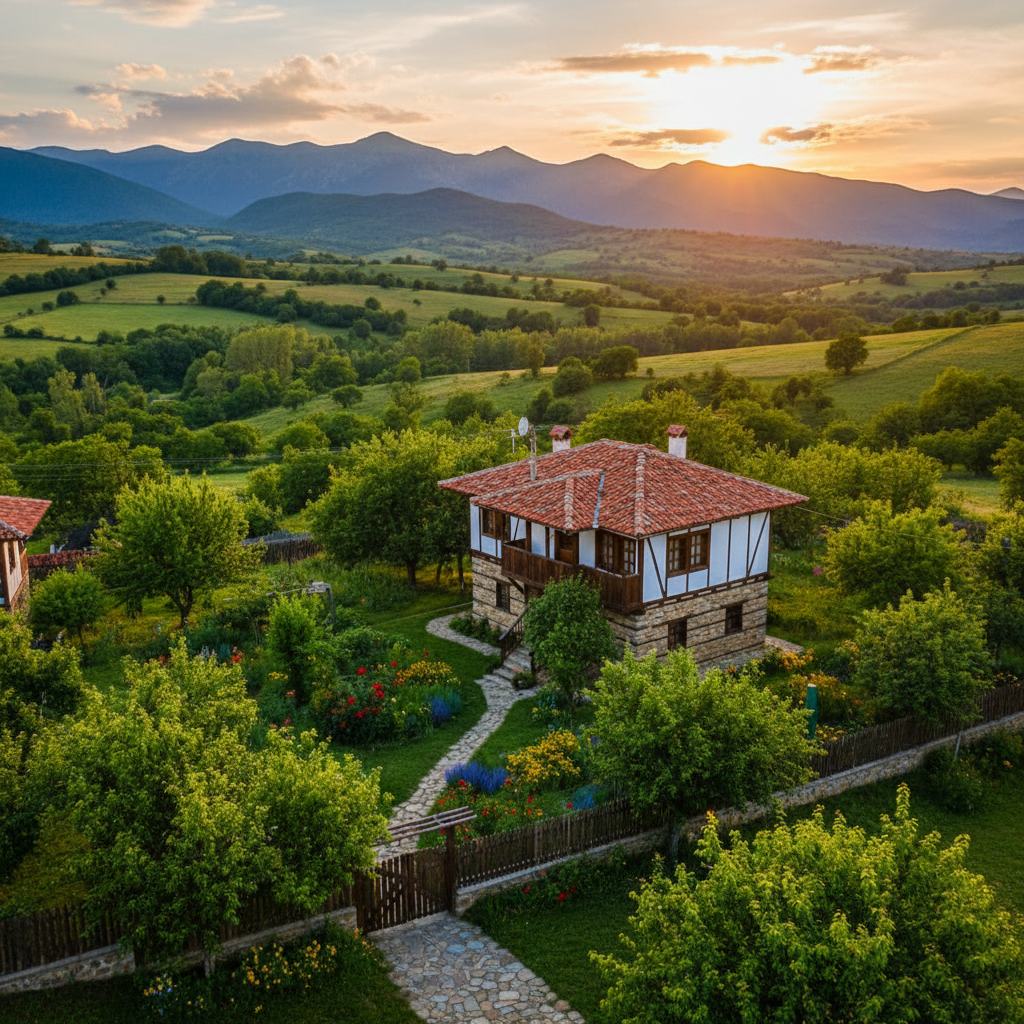
Beyond its natural beauty and rich cultural tapestry, Bulgaria offers property options whose costs and tax implications should be assessed individually. Compare properties by location, condition and total purchase costs rather than assuming a price advantage over Western Europe. Prices for two-bedroom apartments in Plovdiv and Sofia vary widely by district, building age and specification. Rural properties in picturesque villages may need renovation, so assess their condition and likely repair costs before buying.
Understanding the Bulgarian Property Market
Market conditions vary by location and property type. Properties near Sofia's business districts or universities may appeal to renters, but rental performance varies by property, occupancy and operating costs. Coastal areas like Varna and Burgas may appeal to seasonal renters, but holiday letting requires an assessment of occupancy and operating costs. Ski resorts such as Bansko and Borovets offer settings for winter retreats. Property values can change, and past price movements do not establish future performance.
The Legal Framework for Foreigners
As an EU member state, Bulgaria generally allows EU citizens to purchase property (buildings and land) without restrictions. Non-EU citizens can also purchase buildings, apartments, and commercial properties freely. However, direct ownership of land (including the plot beneath a house) by non-EU citizens typically requires forming a Bulgarian company. Company formation involves registration and potentially professional fees; costs and ownership implications depend on the circumstances. A lawyer can advise on company formation and any associated obligations.
- Appoint a trusted lawyer: Indispensable for due diligence, contract review, and representing your interests. Legal fees depend on the provider and scope of work; confirm whether VAT is included.
- Secure a reliable real estate agent: Local expertise is key. Agency commissions and who pays them depend on the agreement with the provider.
- Obtain a Bulgarian tax number (PIN): Essential for all official transactions and opening a bank account.
- Open a local bank account: Simplifies transactions and utility payments.
- Understand the purchase costs: Budget separately for notary fees, taxes, registration and legal expenses; amounts depend on property value, applicable tariffs, municipality and provider.
- Consider currency exchange: According to the European Central Bank, Bulgaria adopted the euro on 1 January 2026 at the fixed conversion rate of EUR 1 = BGN 1.95583. Currency conversion costs depend on the currencies involved and the provider.
Your Property Search and Viewings
With a clear understanding of your budget and desired location, the search begins. Online portals are a good starting point, and a local agent may help identify properties and explain neighborhood differences. When viewing properties, consider more than just the aesthetics: assess the building's maintenance, proximity to amenities, transport links, and potential for future value. Don't hesitate to ask about utility costs, communal charges (for apartments), and internet availability.

The Purchase Process: From Offer to Keys
Once you find your ideal property, the process typically follows these steps:
- Making an Offer: Your agent can help negotiate the price.
- Preliminary Contract (Pre-Contract): This legally binding document outlines the terms, price, payment schedule, and completion date. Any deposit amount, timing and refund conditions should be specified in the contract and reviewed before payment.
- Due Diligence: Your lawyer should check the property's legal status, including title deeds, encumbrances, and permits.
- Final Contract (Deed of Transfer): Signed before a public notary, this is the official transfer of ownership. The remaining purchase price and all associated fees are paid.
- Registration: The notary registers the deed with the Property Register Agency, making the transfer official. Congratulations, you're now a Bulgarian property owner!
Owning property in Bulgaria is more than just an investment; it's an invitation to a lifestyle rich in culture, natural beauty, and genuine hospitality. Careful planning and appropriate professional advice can help you assess the requirements and risks of Bulgarian property ownership. Welcome to the neighborhood!
Sources
- European Central Bank — Bulgaria joins the euro area
- National Revenue Agency (NRA) — Advance income tax
- Ministry of Economy and Industry — Payment of local taxes and fees
- Ministry of Finance — Local Taxes and Fees Act (English text)
Last checked: 6 October 2026. Prices, taxes and rules can change and may vary by municipality and personal circumstances. This page is general information, not legal or tax advice.
Did you know?
- 🍇
Bulgaria is one of the world's oldest wine-producing regions, with a history spanning over 6,000 years, offering local varietals.
- 🌹
The Rosa Damascena, or Damask rose, is cultivated extensively in Bulgaria's 'Rose Valley', producing 85% of the world's rose oil, a key ingredient in perfumes.
- Cyrillic
The Cyrillic alphabet, used across Eastern Europe and parts of Asia, was developed in the First Bulgarian Empire in the 9th century, then spread through Slavic literary schools.
- 🕰️
Bulgaria is home to over 150 monasteries, many of which are active and offer a glimpse into the country's profound spiritual and historical heritage.