
Capital · City
Property for Sale in Sofia, Bulgaria
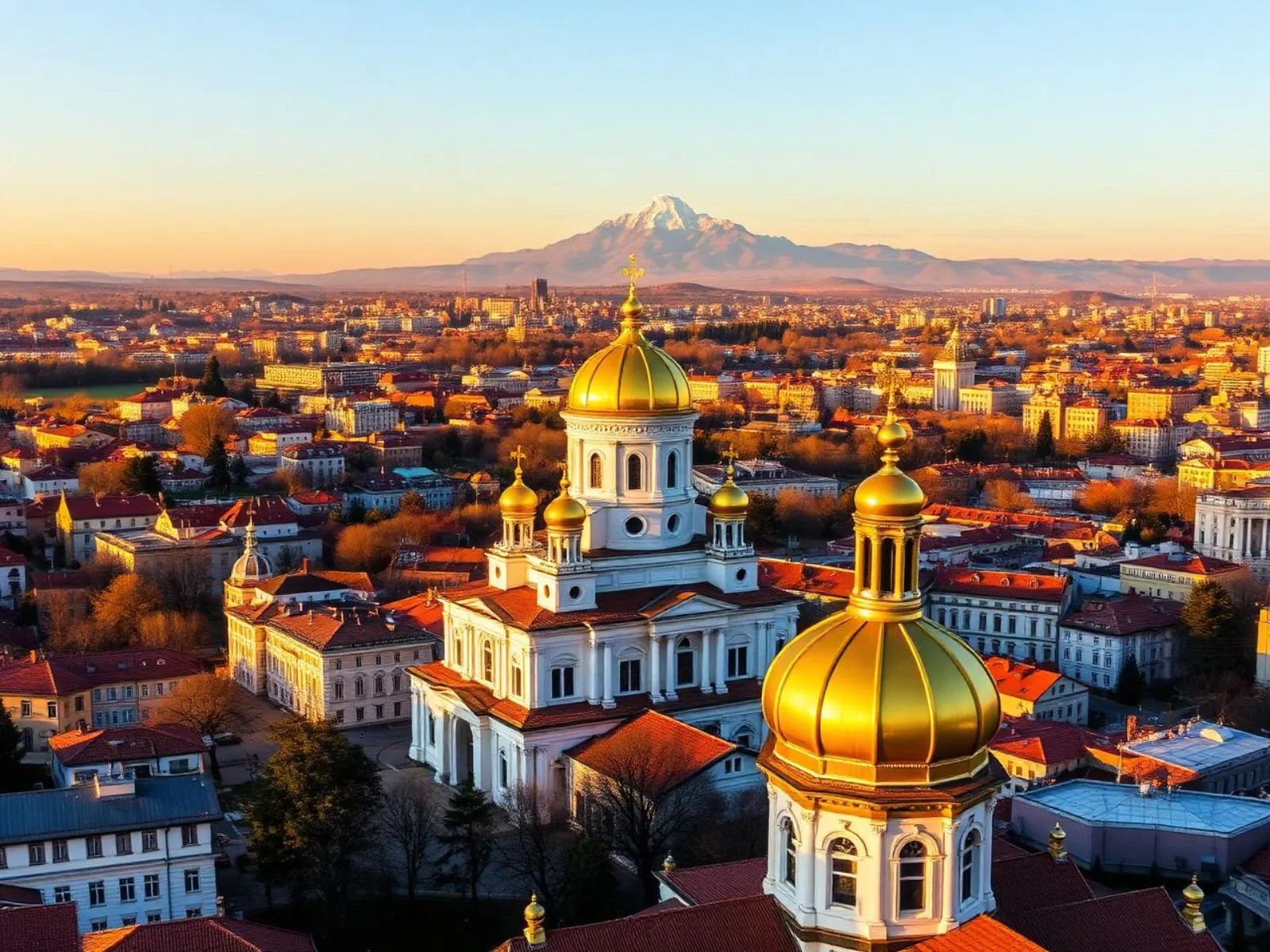
As Bulgaria's capital, Sofia is the country's primary administrative, economic, and educational centre. This status underpins a varied property market, with a wide range of buyers, from professionals and families relocating to the city to long-term investors.
About Sofia
As Bulgaria's capital, Sofia is the country's primary administrative, economic, and educational centre. This status underpins a varied property market, with a wide range of buyers, from professionals and families relocating to the city to long-term investors.
Choosing a place to live in Sofia involves understanding the distinct character of its many neighbourhoods. The city offers a broad spectrum of residential environments, from the historic heart of the capital to green, modern southern districts and large, self-contained residential complexes.
Area character
Sofia’s residential landscape is a tapestry woven from different historical eras and urban planning philosophies, offering a wide choice of lifestyles.
Central Districts
The heart of the city, in areas such as Oborishte, is characterized by its pre-war architecture, with many brick buildings lining leafy streets. Living here means being close to national theatres, galleries, government buildings, and numerous small parks. These districts blend residential living with the capital's commercial and cultural pulse.
Southern Districts & Vitosha Foothills
Areas to the south of the centre are noted for their greener environment and proximity to Vitosha Mountain. Districts like Lozenets, Iztok and Vitosha combine older apartment buildings with a significant number of new, gated communities. Further into the foothills, in places like Boyana, single-family houses and villas with private gardens are more common. Developing areas such as Krastova Vada are defined by their concentration of new residential projects.
Large Residential Complexes
Districts like Mladost and Lyulin are among Sofia's largest residential areas. Primarily developed in the latter half of the twentieth century, they are known for their extensive panel-block housing and local infrastructure. In recent years, these areas have also become focal points for new construction, with modern apartment complexes being built alongside the original housing stock.
Student-Focused Areas
Districts such as Studentski Grad ('Student Town') are defined by their proximity to major universities. The area has a youthful atmosphere and a property market largely composed of smaller apartments, catering to both students and investors focused on the rental market.
Property market
The property stock in Sofia is diverse, with the type, age, and quality of the building being key factors in a property's character.
Older brick apartment buildings, dating from the first half of the twentieth century, are concentrated in the central parts of the city. These often feature higher ceilings and classical layouts but may require modernisation.
Panel block apartments, known as 'panelki', form the backbone of the large residential complexes built from the mid-century onwards. These properties vary widely in their state of repair and offer an accessible entry point to the market.
New construction is a prominent feature across Sofia, from infill developments in established areas to large-scale projects in expanding southern districts. These modern buildings and gated complexes typically offer contemporary amenities, improved energy efficiency, and options for underground parking. You can explore a selection of new build properties across the country.
Houses with gardens are less common and are found predominantly in the villa zones at the foot of Vitosha Mountain, offering a more suburban lifestyle within the city's boundaries.
A closer look at Sofia's neighbourhoods
When exploring properties, seemingly minor details can affect your experience. For example, a property may be located on a noisy boulevard, have poor sun exposure, or be an inconveniently steep walk from the nearest metro. We advise visiting any shortlisted property and walking through the immediate area to get a true sense of the location.
Lozenets: This is a residential neighbourhood known for its leafy streets, cafes, and proximity to embassies. Its low-rise environment may appeal to international professionals and remote workers who value nearby amenities.
Iztok and Izgrev: Generally quieter and more residential than Lozenets, these areas may suit corporate tenants or buyers seeking proximity to the diplomatic quarter and business hubs. Property quality and prices should be compared on a case-by-case basis.
Krastova Vada and Manastirski Livadi: Located south of the ring road, these districts feature many new-build properties. Families considering Krastova Vada should check the provision of nearby schools, parks, and restaurants. In Manastirski Livadi, to the west, it is wise to assess the current infrastructure rather than assuming future improvements.
Mladost: This vast district comprises several sub-districts, mixing older panel-block architecture with significant new infill construction. Other large residential complexes, such as Druzhba and Lyulin, can be compared based on transport access and local amenities.
Boyana, Dragalevtsi, and Simeonovo: Nestled at the foothills of Vitosha Mountain, these areas offer an escape from city density. Buyers can find villas and spacious plots here. These districts may appeal to those seeking privacy and mountain views, depending on the specific property.
Studentski Grad: As the city's student hub, the area's property market is geared towards this demographic. Buyers considering a property for student rental should assess factors such as the building's condition, purchase costs, and ongoing maintenance expenses.
Explore districts Sofia
District in Sofia
Lozenets
/sofia/lozenets
District in Sofia
Krastova Vada
/sofia/krastova-vada
District in Sofia
Vitosha
/sofia/vitosha
District in Sofia
Mladost
/sofia/mladost
District in Sofia
Studentski grad
/sofia/studentski-grad
District in Sofia
Lyulin
/sofia/lyulin
District in Sofia
Krasno Selo
/sofia/krasno-selo
District in Sofia
Oborishte
/sofia/oborishte
District in Sofia
Triaditsa
/sofia/triaditsa
District in Sofia
Iztok
/sofia/iztok
District in Sofia
Boyana
/sofia/boyana
Listings in Sofia
Living in Sofia
Living in Sofia offers the experience of a European capital combined with access to nature. As the seat of government and the location of many international company headquarters, the city has a professional and cosmopolitan atmosphere.
The cultural scene includes a host of theatres, concert halls, museums, and galleries. The city's architecture is a visible timeline of its history, with Roman ruins standing near Orthodox churches, royal-era buildings, and modern glass towers.
A defining feature of life in Sofia is its proximity to Vitosha Mountain. The mountain, a designated nature park, serves as a backyard for the city's residents, offering trails for hiking and mountain biking in the summer and slopes for skiing and snowboarding in the winter. Within the city itself, large parks provide green spaces for recreation.
The public transport network, which includes the Sofia Metro, trams, and buses, connects the various districts and reduces reliance on cars for many commuters.
Buying and renting considerations
When considering a property purchase in Sofia, buyers' priorities differ depending on whether the property is for personal use or for rental. For those planning to live in the property, factors like proximity to a workplace, parks, and the general atmosphere of the neighbourhood are paramount.
For investment purposes, Sofia's property market operates year-round, driven by the city's status as a business and university hub. This contrasts with the seasonal nature of coastal resort markets. Properties located near metro stations, business parks, and universities are of interest on the rental market.
The choice between long-term and short-term letting is another key consideration. While central apartments can be suitable for tourist rentals, long-term lets to students, professionals, and families can provide rental income, which is dependent on the property, pricing and management. For owners who do not reside in Sofia, professional property management companies can handle tenant relations and maintenance. For more details, see our guide to the buying process.