
Your Blueprint for Bulgaria's Bustling Short-Stay Market
Dreaming of preparing your Bulgarian property for short-stay guests? Bulgaria offers varied destinations for visitors, but navigating the specifics – from local regulations to crafting a listing – can feel a bit daunting. We're here to guide you through preparing your property for guests.
Bulgaria's Black Sea beaches, ski resorts, and historic cities may appeal to short-term or seasonal renters. With platforms like Airbnb and Booking.com available to property owners, understanding the local landscape is important when planning your hosting activities and providing genuine Bulgarian hospitality. It's more than just handing over keys; it's about creating an experience.
Setting Your Property Up for Success: Pricing & Presentation
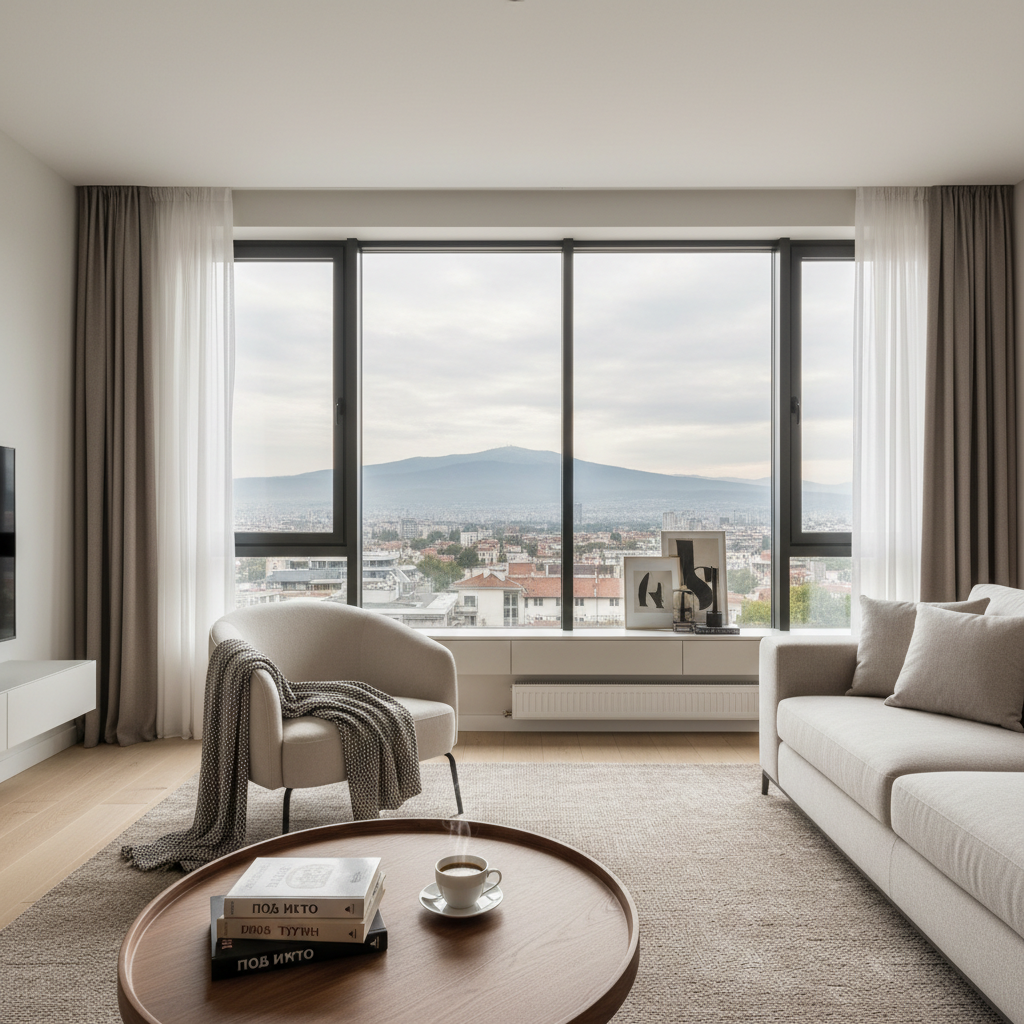
First impressions are everything. Your property's presentation, from photography to descriptions, helps guests assess whether it suits their needs. Invest in professional photos; dimly lit phone snaps simply won't cut it. Highlight unique features, local charm, and practical amenities. For example, a charming 60 sqm apartment in Varna's city center with a sea view may appeal to summer visitors, while a spacious mountain chalet near Bansko may appeal to winter visitors.
Dynamic Pricing and Market Savvy
Pricing strategy is an art as much as a science. Don't set it and forget it! Monitor local events, seasonal demand, and competitor pricing. In Sofia, compare similar listings by location, amenities and travel dates rather than assuming weekends support higher rates. Consider a lower base rate for weekdays and implement seasonal adjustments. Smart pricing tools available on listing platforms can adjust rates automatically, but their settings and results need regular review.
- Understand Peak Seasons: Black Sea coast (June-August), Mountain resorts (December-March), City breaks (Spring/Autumn).
- Offer Unique Selling Points: High-speed Wi-Fi (a must!), free parking, pet-friendly options, or a local experience guide.
- Mind the Minimum Stay: Adjust minimum nights to suit your booking patterns and turnover costs.
- Factor in Cleaning Fees: Be transparent. Cleaning fees depend on property size, service scope and the provider.
- Consider Local Events: Review comparable listings and booking patterns around festivals in Plovdiv or business conferences in Sofia before adjusting rates.
- Review Competitor Listings: See what similar properties in your area are charging and what amenities they offer.
The Art of Hospitality: Guest Experience
Beyond the bricks and mortar, true success lies in the guest experience. Prompt communication, a seamless check-in process, and a clean, well-maintained property are non-negotiable. Providing a welcome pack with local delights – perhaps a bottle of Bulgarian wine or some traditional sweets – can be a thoughtful gesture, though it does not assure positive reviews. Remember, reviews help future guests assess your property.
Navigating Bulgarian Compliance and Regulations
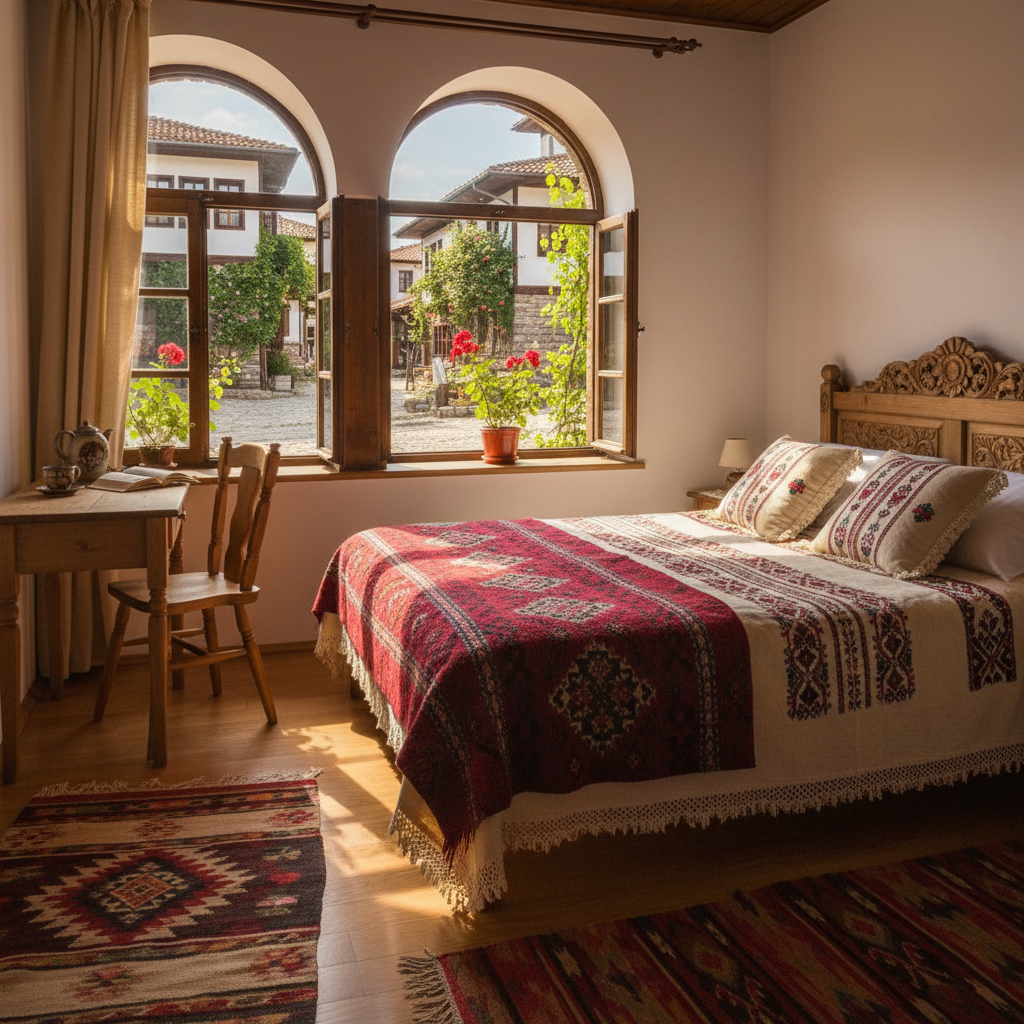
Being a responsible host in Bulgaria means understanding the legal framework. There are specific requirements you must meet. The key is registration and reporting. As a short-stay provider, you are typically considered a 'tourist accommodation service provider' under Bulgarian law.
Tourist Registration and Taxes
Firstly, you'll need to register your property with the local municipal tourist office (общинска туристическа администрация). This involves obtaining a category certificate, which classifies your property (e.g., 'guest room', 'apartment for tourists'). The categorization depends on amenities, size, and location. Processing times vary, so plan ahead. Once categorized, you'll be listed in the National Tourist Register.
Secondly, you are obligated to report all guests to the Unified System for Tourist Information (Единна система за туристическа информация - ЕСТИ). This is done electronically and requires you to record guest details (names, nationality, passport/ID info), check-in/check-out dates. Failure to comply can result in substantial fines. According to the Ministry of Economy and Industry, local tourist tax (туристически данък) rates are set by each municipal council within the framework of the Local Taxes and Fees Act, so rates differ by municipality. Check declaration and payment deadlines with the local municipality. According to the National Revenue Agency (НАП), resident individuals' rental income is taxed at 10% on rent received minus 10% statutory recognised expenses; short-stay accommodation may have different tax treatment depending on how the activity is classified.
It's always wise to consult with a local accountant or legal professional to ensure full compliance with all tax and reporting obligations, as regulations can evolve and have nuances depending on whether you're an individual or a company. Getting it right from the start saves a lot of headaches down the line.
Focus on guest experience and diligent compliance when planning and managing your short-stay property in Bulgaria. Happy hosting!
Sources
- National Revenue Agency (NRA) — Advance income tax
- Ministry of Economy and Industry — Payment of local taxes and fees
- Ministry of Finance — Local Taxes and Fees Act (English text)
Last checked: 6 October 2026. Prices, taxes and rules can change and may vary by municipality and personal circumstances. This page is general information, not legal or tax advice.
Did you know?
- 📈
Rental performance varies considerably by property, season, operating costs and occupancy.
- 🏖️
While the Black Sea coast is famous, over 30% of Bulgaria's territory is covered by mountains, offering year-round potential for short-stay rentals beyond summer.
- 🏛️
Plovdiv, one of the oldest continually inhabited cities in Europe, offers historical surroundings that may appeal to short-stay guests.
- 💸
Assess a Sofia property's rental prospects against its purchase price, operating costs, taxes and likely periods without bookings.