
Finding Your Bulgarian Home: Our Top City Picks
Bulgaria is a land of fascinating contrasts, from vibrant city life to dramatic mountain and coastal escapes. Choosing a place to call home here isn't just about location; it's about finding the perfect match for your lifestyle, career, and dreams. As seasoned residents and real estate professionals, we're cutting through the noise to offer our honest, nuanced guide to Bulgaria's most liveable cities.
Bulgaria is far more than its capital, Sofia, though Sofia certainly has its undeniable charms. For those considering a move, whether for work, retirement, or a lifestyle change, understanding the distinct character of each major location is key. What might be perfect for a young professional could be less ideal for a family or a retiree seeking quiet coastal living. Let’s dive into what makes each of our top picks truly special.
Sofia: The Heartbeat of Bulgarian Opportunity
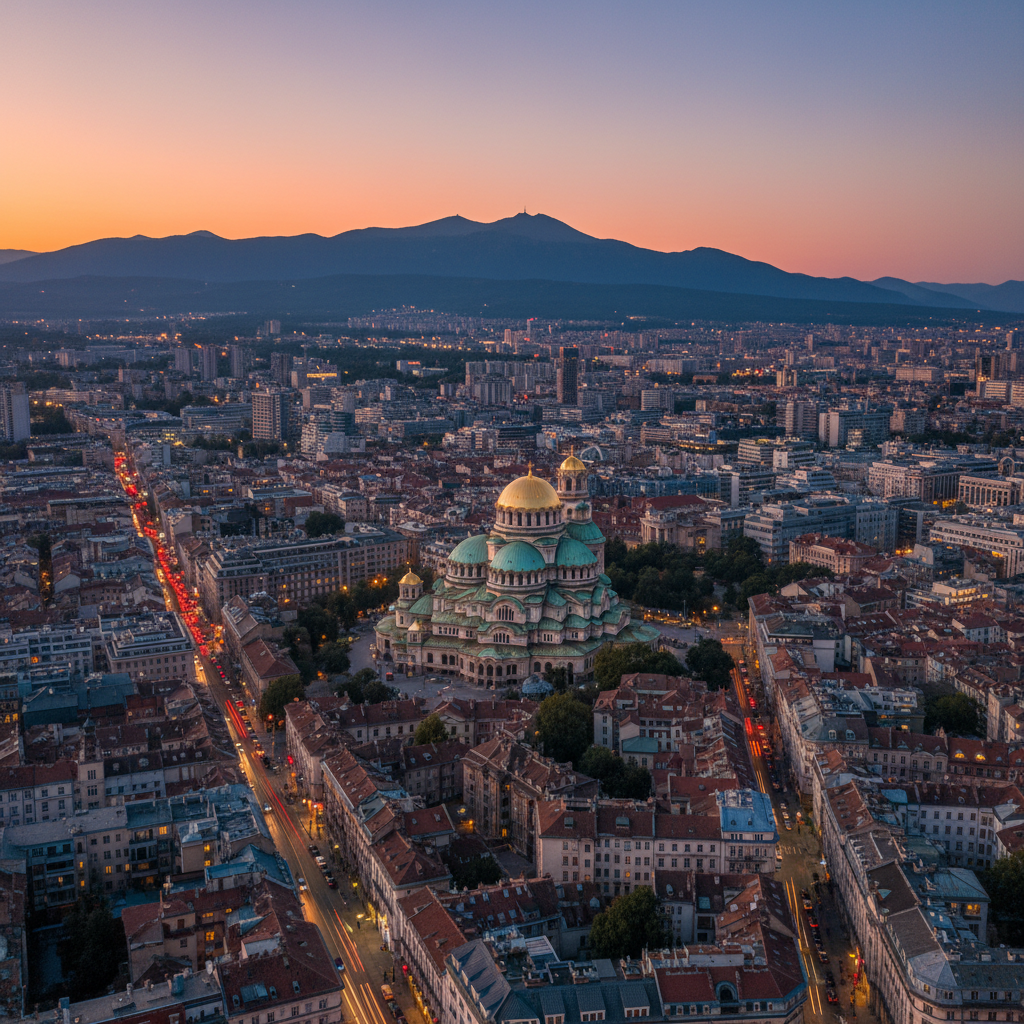
For those considering career opportunities, Sofia is an option to explore. As Bulgaria's capital and largest city, it is a centre for IT, international finance, and corporate headquarters. Salaries vary by role and employer, and the city has a diverse expatriate community. The city has direct flights to European destinations, with routes and schedules varying. However, city living comes with certain trade-offs: property costs vary by neighbourhood, traffic can be challenging, and winters are distinctly colder and longer than on the coast.
Key Facts for Sofia:
- Average 1-bedroom apartment rent: Rents vary by neighbourhood, condition and lease terms.
- Typical property price (central): Prices vary by district, building age and specification.
- Best for: Career-driven professionals, expats seeking a large international community, access to extensive amenities.
- Popular neighbourhoods for internationals: Lozenets, Iztok, Doctors' Garden, and Krastova Vada offer a good balance of amenities, green spaces, and community.
Varna: Bulgaria's Maritime Gem
Moving east, Varna is a Black Sea city with year-round amenities. Unlike seasonal resorts, Varna functions as an urban centre throughout the year. It has a Mediterranean-leaning climate with around 240 sunny days annually, a walkable city centre, and a community of remote workers and digital nomads. Healthcare options should be assessed against individual needs, while the pace of life varies by neighbourhood and season. Property prices vary by district, building age and proximity to the sea.
Who thrives in Varna?
- Remote workers desiring sea views and a vibrant, yet calm, city.
- Retirees seeking a mild climate and a relaxed lifestyle with excellent amenities.
- Families looking for a quality lifestyle by the sea without sacrificing urban convenience.
Plovdiv: A Tapestry of History and Modernity
Plovdiv is an option for those seeking city living in southern Bulgaria. Europe's oldest continuously inhabited city, it blends ancient Roman ruins with a lively modern arts and café scene. The UNESCO-protected Old Town is a joy to explore on foot, and the city's calendar is packed with cultural events. Prices vary by district and property type, and you're just 90 minutes away from popular ski resorts like Pamporovo. Its cultural setting may appeal to international residents.
Burgas: Coastal Living on a Budget
For those who dream of the Black Sea but are conscious of budget, Burgas is an option to compare against their needs and resources. Property prices vary by district, building age and proximity to the coast. Burgas features a compact, easy-to-navigate center, the extensive Sea Garden park stretching along the coast, and highly convenient low-cost EU air connections via Burgas Airport. It offers seaside living, with costs depending on the property and lifestyle chosen.
Bansko: The Mountain Retreat's Unexpected Appeal
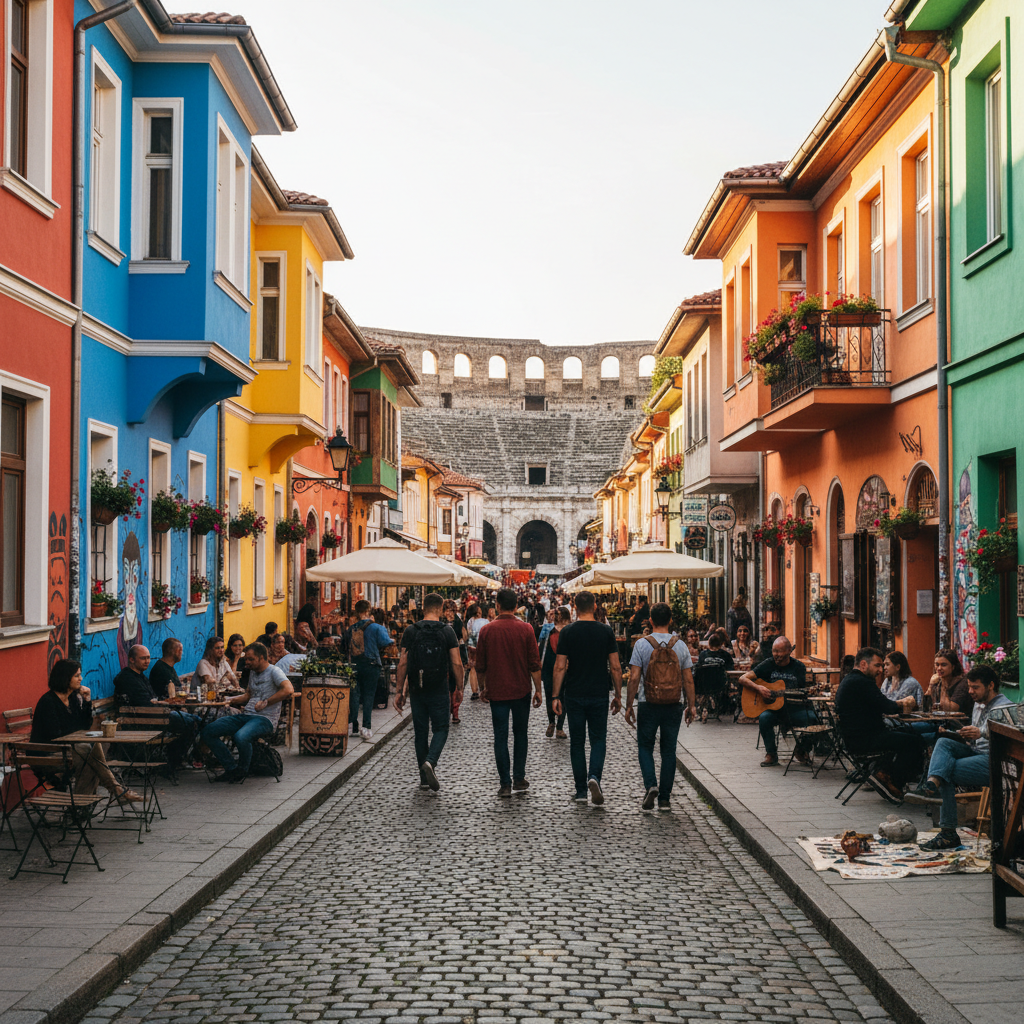
Known as a ski destination, Bansko also offers activities outside the winter season. It has the largest ski area in Bulgaria and an English-speaking digital nomad community, with hiking and mountain biking available during the summer months. Property prices vary by location, building age and specification, while the Pirin mountains offer outdoor activities. While it lacks major city amenities, its unique community spirit and natural beauty are powerful draws.
Thinking Beyond 'Living': High-Yield Investment Opportunities
If your primary goal is investment, rather than personal residence, assess rental performance using property-specific costs and realistic occupancy assumptions. Sofia's 'Studentski Grad' (Student's Town) district may appeal to student renters, but rental performance varies by property, occupancy and operating costs. For investors focused on short-term rentals, particularly vacation lets, Sunny Beach may appeal to seasonal renters; performance depends on occupancy, operating costs and the property.
Making Your Choice: A Personal Journey
Ultimately, the 'best' place to live in Bulgaria is deeply personal. Our advice is always to visit, spend time, and feel the pulse of each location that interests you. Consider your priorities: Is it career? Lifestyle? Cost of living? Proximity to nature or cultural sites? Bulgaria offers an incredible spectrum of choices, each with its own unique flavour and advantages.
Sources
- National Revenue Agency (NRA) — Advance income tax
Last checked: 6 October 2026. Prices, taxes and rules can change and may vary by municipality and personal circumstances. This page is general information, not legal or tax advice.
Did you know?
- 🎭
Plovdiv is Europe's oldest continually inhabited city, boasting a history spanning over 8,000 years, evident in its Roman theater and ancient ruins.
- 💰
According to the National Revenue Agency, Bulgaria's personal income tax rate is a flat 10%.
- 🗺️
Despite its relatively small size, Bulgaria is the only country in Europe with a majority of its territory covered by mountains.
- 🍷
Bulgarian wine history dates back 6,000 years, with regions like the Struma Valley producing unique local grape varieties such as Broadleaved Melnik.