
Affordable Bulgaria: Unlocking Truly Cheap Property Deals
Buyers considering lower-priced Bulgarian real estate should compare location, condition and total ownership costs. Rural houses and small apartments may suit different budgets, but asking prices alone do not show the full cost. But navigating this unique market requires local insight to avoid pitfalls and uncover genuine gems.
When we talk about 'cheap properties' in Bulgaria, prices and habitability vary widely by location, condition and access to services. This isn't a myth; it's a direct result of historical demographic shifts and local economic factors. However, it's also a market that rewards thorough research and expert guidance, especially for international buyers.
What Your Budget Buys: Reality on the Ground
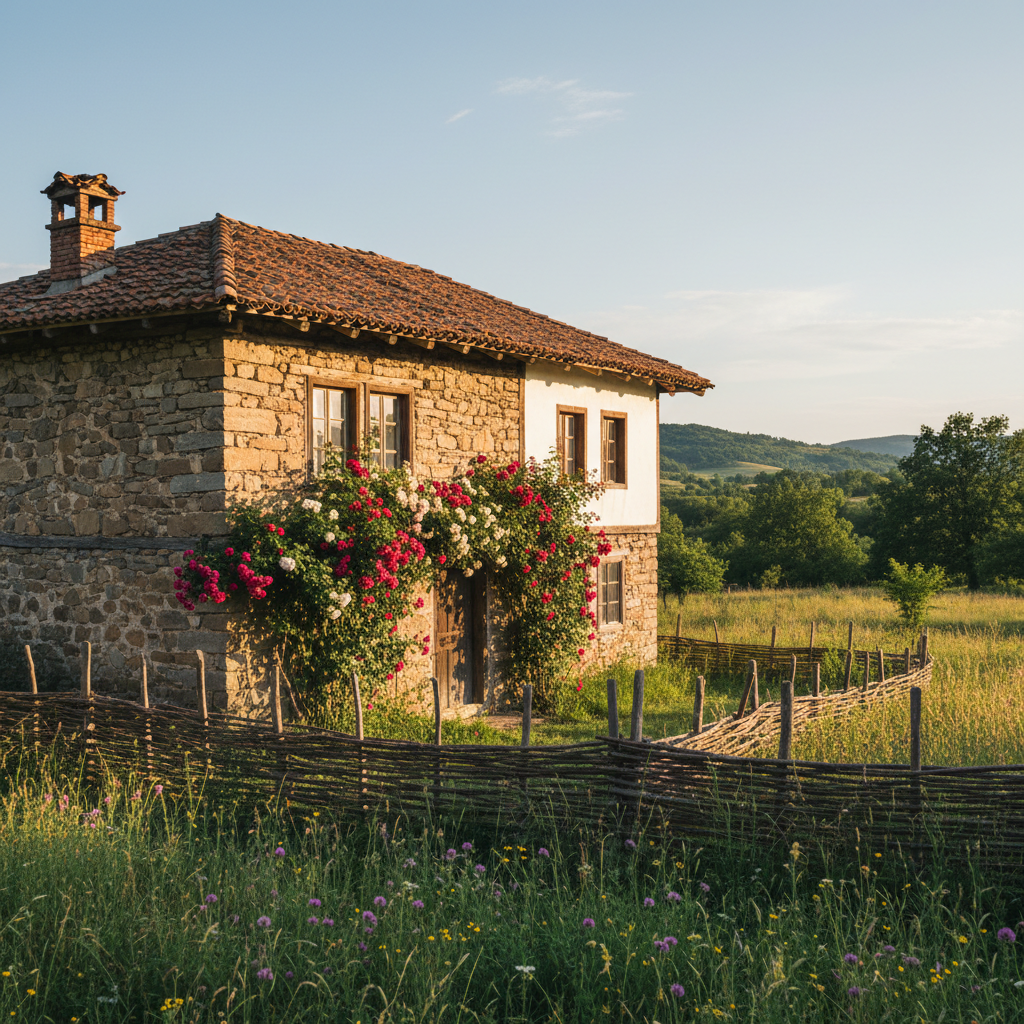
Buyers seeking lower-priced properties can consider rural village houses. These are often found in the scenic foothills of the Stara Planina mountains or in regions like Veliko Tarnovo, Vratsa, Pleven, and Montana. Most are traditional single-storey stone or brick homes, often situated on generous plots ranging from 500 to 1,500 m². Expect properties with original features – think solid timber windows, simple bathroom facilities, and wood-burning stoves for heating. While many are perfectly functional, it's realistic to anticipate the need for upgrades, particularly for electrical wiring and roofing.
For those preferring urban conveniences over rural tranquility, prices for small studio or one-bedroom apartments in Bulgaria's second-tier cities (such as Pleven, Vidin, Yambol, or Ruse) vary by neighbourhood, building and condition. These offer an urban alternative, albeit without the direct connection to nature that a village house provides.
Why Prices are So Attractive Here
The affordability of Bulgarian property, particularly in rural areas, stems from a confluence of factors. Decades of internal migration, primarily to Sofia and the larger regional centres, combined with significant emigration abroad, have left thousands of village homes vacant or under-utilised. Many properties are now part of inherited estates, and the heirs – often living internationally or in distant cities – are more interested in a speedy sale than in maximising profit. Some of these properties may have complex ownership histories or unresolved legal issues, making professional due diligence critical.
Budgeting Beyond the Purchase Price: The Renovation Reality
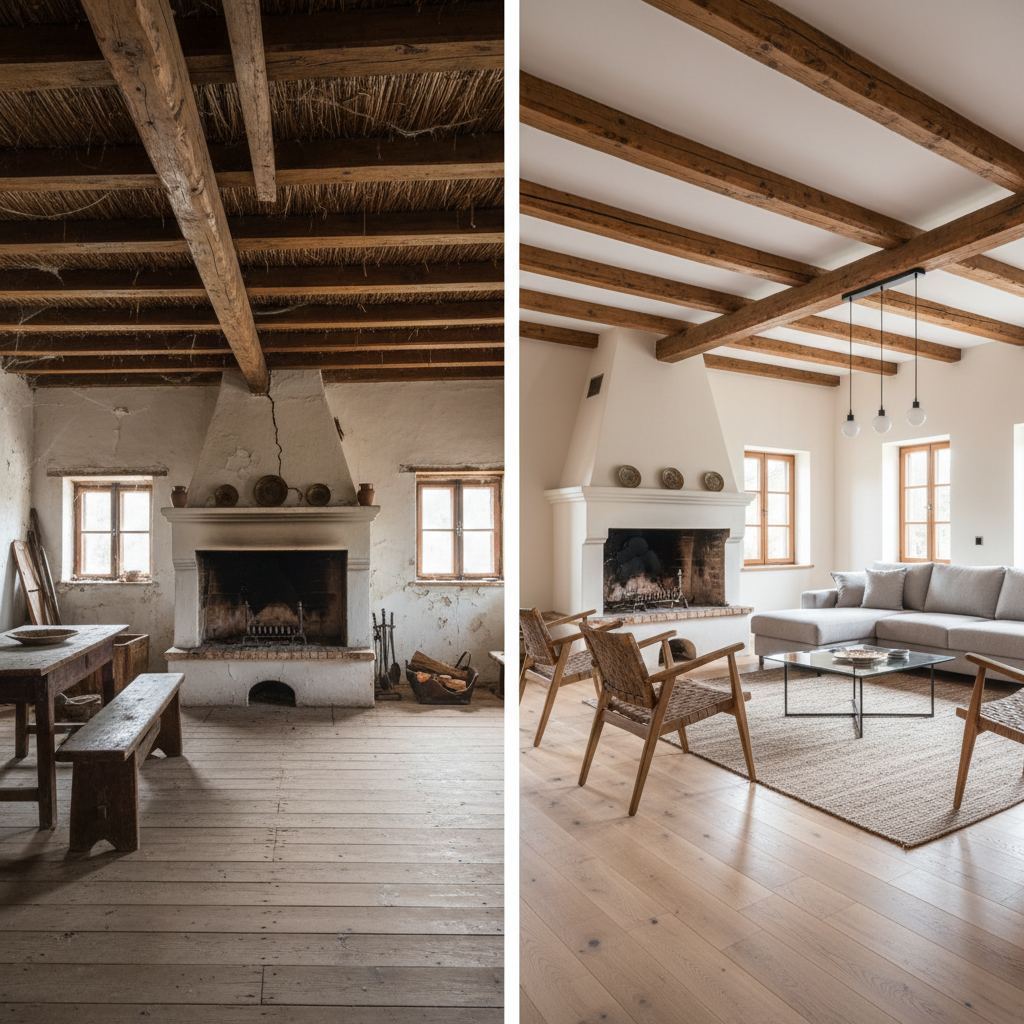
Renovating a Bulgarian village house can cost more than the initial purchase. Renovation costs depend on the property's condition, specifications and available contractors. For a basic cosmetic refresh, including plumbing and electrical updates, obtain itemised quotes based on an inspection. A full modern rebuild – incorporating insulation, new roofing, and a contemporary bathroom and kitchen – requires a property-specific budget. Builder rates vary by provider and scope of work, and material availability outside major urban hubs should be checked. The overall cost of living in Bulgaria will help you understand day-to-day expenses, which vary by location and lifestyle.
Who Benefits Most from Bulgaria's Low-Cost Properties?
Bulgaria's lower-priced properties may appeal to buyers with different priorities:
- Retirees: Many individuals, especially from the UK, Netherlands, and Germany, seek a peaceful, low-cost base for their retirement, finding Bulgaria’s climate and lifestyle appealing.
- Remote Workers: For digital nomads and remote professionals, suitability depends on total housing costs, internet access and proximity to services.
- Renovation Enthusiasts: Those who enjoy a project may find an old house appealing, provided the work fits their skills and budget.
A crucial note: If your primary goal is holiday-let income, a remote village house is unlikely to deliver high yields. For further discussion of rental considerations, see investment property in Bulgaria or coastal rental properties; performance varies by property, season, occupancy and operating costs.
Safe Steps to Secure Your Affordable Bulgarian Home
Navigating the nuances of local property law and verifying property specifics is paramount when dealing with low-cost properties. Here’s how to proceed with confidence:
- Independent Legal Counsel: Always commission a thorough title check from an independent lawyer. Fees depend on the provider and the scope of the checks; request a written quote.
- Verify Utilities: Mandate a personal check of utility connections. Some charming 'village houses' may lack a live electricity meter or a reliable water supply.
- Inspect Access Routes: Personal inspection is key. Some otherwise desirable plots are only accessible via unmaintained dirt roads, which can be problematic in adverse weather.
- Detailed Inventory: If any furniture or contents are included in the sale, insist on a signed, detailed inventory. It's not uncommon for cheap house sales to 'lose' their contents between viewing and completion.
- Renovation Quoted BEFORE Purchase: Obtain detailed renovation quotes from local builders before you commit to buying, not after. This clarifies your total investment.
- Understand Land Ownership: Building and land ownership requirements depend on the buyer's nationality and the land's classification. An independent lawyer should confirm the applicable rules and whether a company structure is appropriate.
These checks can help you assess whether a lower-priced property in Bulgaria suits your plans and budget.
Last checked: 6 October 2026. Prices, taxes and rules can change and may vary by municipality and personal circumstances. This page is general information, not legal or tax advice.
Did you know?
- 🏡
Cheap rural listings in Bulgaria may have title complexities stemming from historical inheritance issues.
- 🔨
Renovating a village house in Bulgaria can cost more than its purchase price; obtain property-specific quotes before buying.
- ⛰️
The Stara Planina (Balkan Mountains) region has village properties in a mountainous setting with traditional architecture.
- 📈
Property values vary by location, condition and access to services; assess recent comparable sales rather than assuming future growth.