
Unlocking Bulgaria: Your Guide to a Life Well-Lived, Affordably
Dreaming of vibrant culture, stunning landscapes, and an exceptional quality of life that doesn't break the bank? Living costs in Bulgaria depend on where you live, your housing choices and your lifestyle. This guide outlines the spending categories to consider when planning a move or property purchase.
If you're considering a move, an investment, or a new chapter in Bulgaria, assess living costs alongside your other priorities. Costs vary significantly by location and lifestyle. But what does that mean for your daily budget? Let's break down the main spending categories, region by region, for different lifestyles.
The Bulgarian Lifestyle Budget: What to Expect Monthly
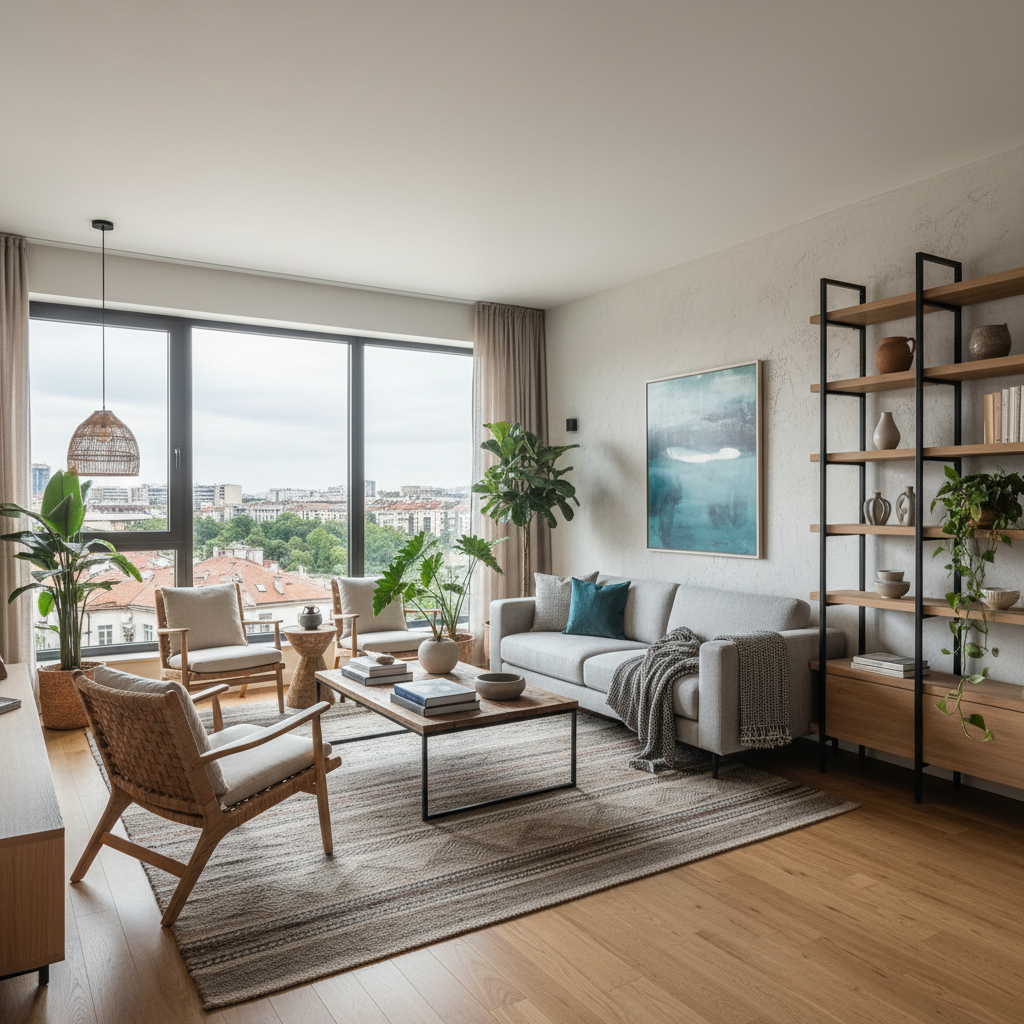
For a working couple renting a two-bedroom apartment in Sofia, monthly spending depends on the neighbourhood, property and lifestyle. A budget should include rent, utilities, groceries, dining out, transportation, and leisure. Beyond the capital, compare local housing and everyday costs:
- In the beautiful seaside city of Varna or the ancient heart of Plovdiv, total costs depend on the neighbourhood, housing and lifestyle.
- In Burgas, another Black Sea gem, or one of Bulgaria's charming smaller cities, your budget will depend on housing choices and spending habits. Property owners avoid rent but still need to budget for maintenance, taxes and any mortgage payments.
Housing: Your Anchor Cost
As in most places, long-term rent is usually the most significant monthly expense. Compare rental listings by location, condition and lease terms:
- Sofia: A one-bedroom apartment in a central area can vary in rent according to its location, condition and furnishing. For a spacious two-bedroom in the city center or neighborhoods like Lozenets, compare current listings with similar specifications.
- Varna or Plovdiv: One-bedroom rents depend on neighbourhood, condition and lease terms.
- Burgas or other regional hubs: One-bedroom rents vary by location, condition and lease terms.
Building maintenance fees depend on the building and services; according to the Ministry of Economy and Industry, annual property tax rates are set by each municipal council within the statutory framework. Our comprehensive guide to long-term rentals offers even more detail.
Utilities & Connectivity: Keeping You Powered and Connected
Home running costs depend on the property and your usage. For an average 70 m² apartment:
- Electricity: Bills depend on your heating system, insulation, usage and tariffs, and can vary seasonally. Newer, well-insulated homes with efficient AC/heating systems often see lower winter bills.
- Water & Sewage: Charges depend on local tariffs and consumption.
- High-speed Internet (300 Mbps or more): Prices depend on the provider, availability and contract.
- Mobile (unlimited data and calls): Prices and usage conditions depend on the plan.
Total utilities for a couple vary by property, consumption and season.
Food & Dining: A Culinary Delight on a Budget
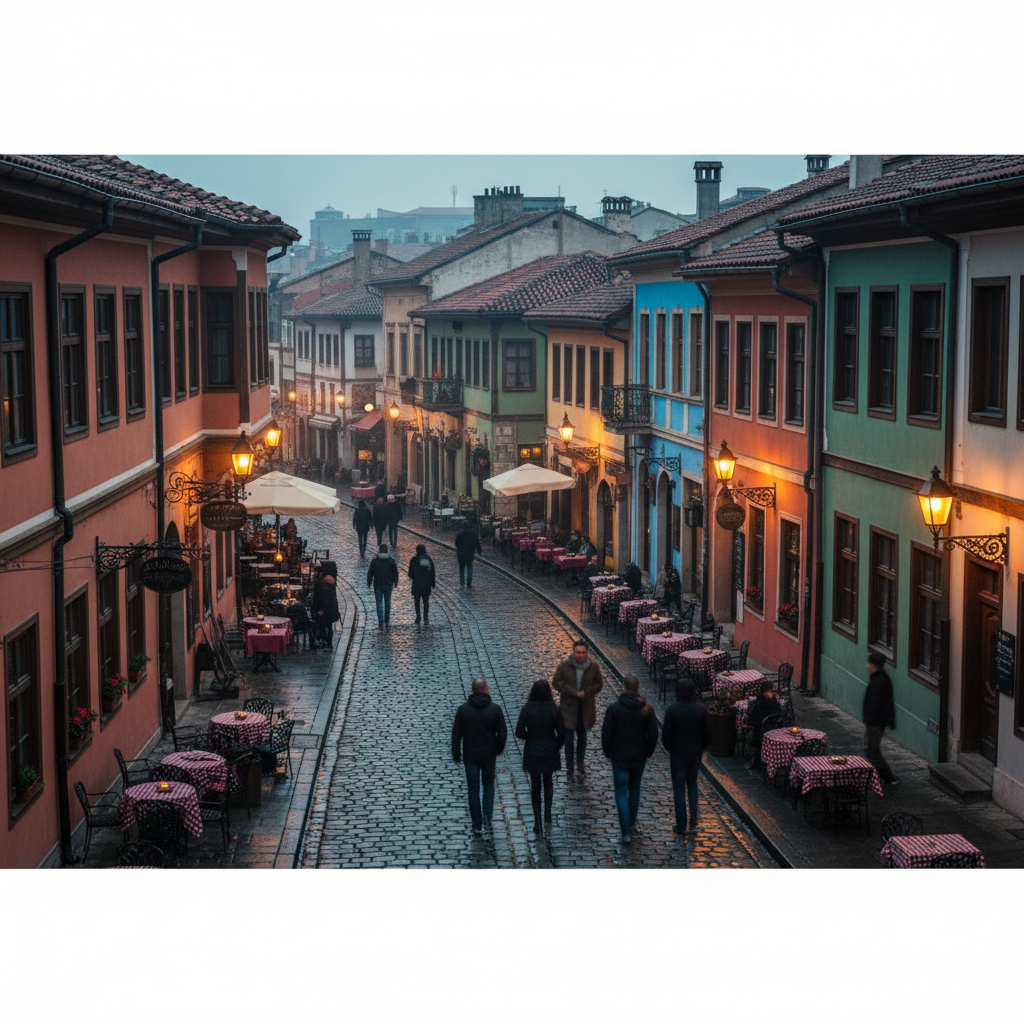
Grocery spending for two at supermarkets like Billa, Kaufland, or Lidl depends on product choices, quantities and promotions. Local markets—like the vibrant Zhenski Pazar (Women's Market) in Sofia, or the central markets in Varna and Plovdiv—offer another place to compare seasonal produce and prices. The true culinary revelation for many internationals is dining out:
The cost of a sit-down meal for two with wine depends on the restaurant, location and menu choices. For a casual bistro meal or lunch special, check current menus and what is included.
Transportation: Getting Around Effortlessly
For a monthly metro and tram pass in Sofia, check current fares and coverage with the transport operator. Many Bulgarian cities are wonderfully walkable. Car costs depend on mileage, fuel, insurance and parking. Inter-city train and bus fares, including Sofia to Plovdiv and Sofia to Varna, depend on the operator and service. Taxi fares depend on the operator and tariff; check the displayed rates before travelling.
Healthcare: Quality Care, Accessible Prices
Public healthcare access through an S1 form depends on eligibility and registration; confirm coverage and any patient charges with the relevant health authority. Private healthcare insurance for a couple depends on age, coverage, exclusions and the insurer. Private GP visits, specialist consultations and MRI scans are priced by the provider and service. When considering private healthcare in Sofia or Varna, check each provider's services, credentials and current fees.
Leisure & Lifestyle: Embrace the Bulgarian Way of Life
Leisure spending in Bulgaria depends on the activities, venues and season:
- Gym membership: Costs depend on the facility and membership terms.
- Cinema ticket: Prices vary by venue, screening and concessions.
- Theatre and concert tickets: Prices depend on the venue, event and seat.
- Weekend skiing in Bansko: Budget for lift passes, accommodation, food and any equipment hire.
- Black Sea coastal weekend: Costs depend on the destination, season, accommodation and activities.
Comparisons with Western Europe depend on the destination and activities chosen.
How These Costs Shape Your Property Decisions
Running costs are worth considering when choosing retirement properties or remote-worker bases here. For investors, rental performance varies by property, tenant affordability, occupancy and operating costs. Assess any property purchase against your budget, objectives and risks.
Sources
- Ministry of Economy and Industry — Payment of local taxes and fees
- Ministry of Finance — Local Taxes and Fees Act (English text)
Last checked: 6 October 2026. Prices, taxes and rules can change and may vary by municipality and personal circumstances. This page is general information, not legal or tax advice.
Did you know?
- 🍇
Bulgaria is one of the world's oldest wine-producing regions, with winemaking traditions dating back over 3,000 years to the ancient Thracians. Local wine prices vary by producer, vintage and retailer.
- ⛰️
Much of Bulgaria is mountainous, offering incredible opportunities for hiking, skiing, and exploring historical monasteries. Mountain village stays vary in cost by location, season and accommodation.
- 🌹
Bulgaria produces rose oil, an ingredient in perfumes. Annually, the 'Rose Valley' hosts a festival, and locally made rose products vary in price and quality.
- 🗓️
Unlike most of Europe, Bulgaria uses the Cyrillic alphabet, a legacy of Saints Cyril and Methodius. This unique script adds a distinct cultural layer to daily life, from street signs to literature.