
Embrace Your Golden Years: Retire Blissfully in Bulgaria
Imagine retirement surrounded by ancient history and natural beauty. Bulgaria may appeal to retirees seeking community and opportunities to explore, with affordability depending on individual circumstances. Use this guide to explore your options.
Bulgaria may appeal to retirees across Europe — particularly from the UK, Germany, the Netherlands, and Scandinavia. Factors to consider include living costs, which vary by location and lifestyle, full EU membership, and a coastline reminiscent of the Mediterranean, yet with distinctive Black Sea charm. Retirement planning involves both finances and lifestyle preferences.
Why Our European Neighbours Are Choosing Bulgaria for Retirement
Financial and lifestyle considerations both matter when planning retirement. How far a pension stretches depends on housing, healthcare and lifestyle choices. For a couple, monthly expenses—including a rented 2-bedroom apartment, utilities, groceries, healthcare contributions, and regular leisure—vary considerably by location and personal needs. Should you own your home outright, rent or mortgage payments are removed, but maintenance and other running costs remain. Build a budget around your own circumstances rather than general comparisons. Our detailed Cost of Living in Bulgaria guide provides a comprehensive breakdown.
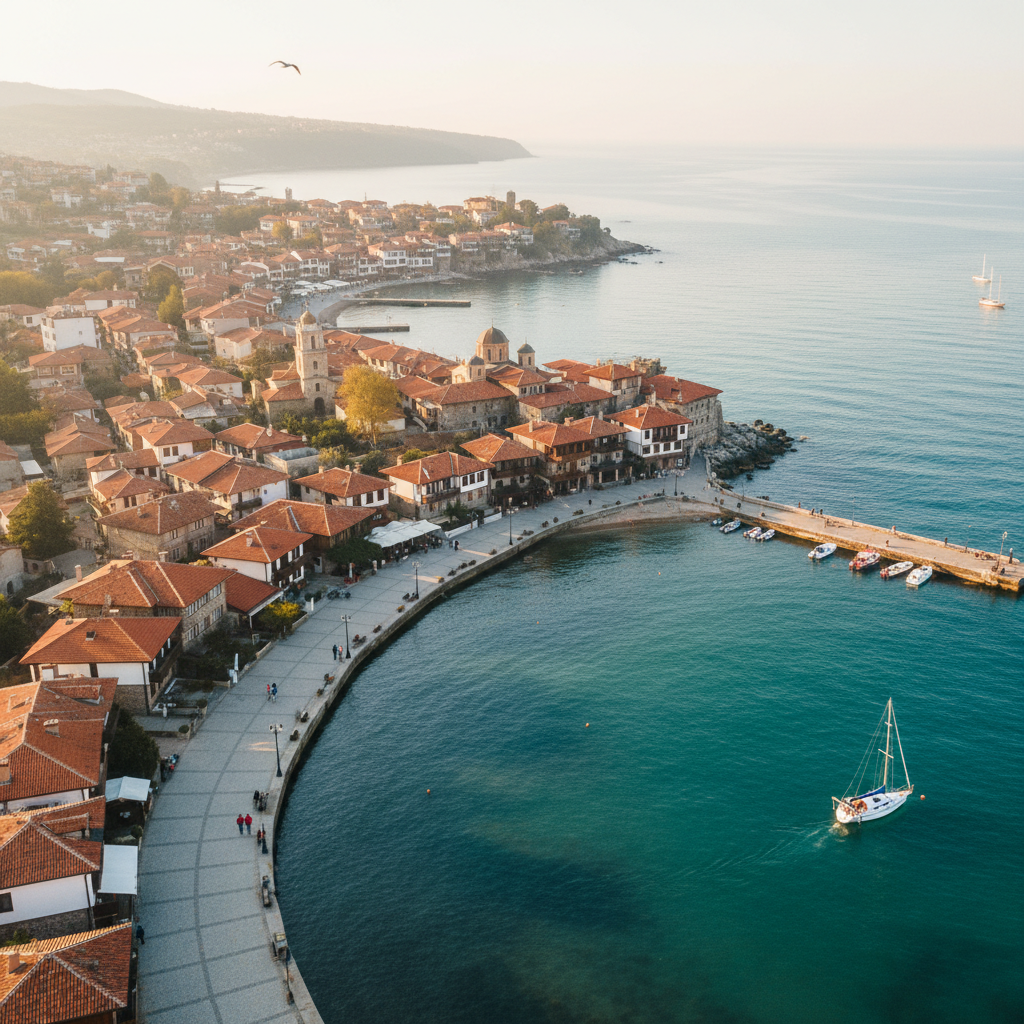
Beyond the numbers, retirees are drawn to Bulgaria's rich history, vibrant culture, and the warm, welcoming nature of its people. The pace of life is generally slower, allowing for greater enjoyment of daily moments, whether it's a leisurely coffee in a cobbled town square or an afternoon stroll along a sun-drenched beach.
Where to Settle Down: Bulgaria's Retirement Hotspots
Bulgaria offers a diverse tapestry of environments, each appealing to different retirement dreams. Areas to consider include:
- The Black Sea Coast: Centered around cities like Varna, often called Bulgaria's maritime capital, and the charming coastal town of Pomorie. This region offers warm, extended summers, mild winters, and beautiful beaches. It’s perfect for those who dream of sea views and fresh seafood. Property prices vary by town, proximity to the sea, building age and specification.
- Plovdiv: As one of Europe's oldest continuously inhabited cities, Plovdiv captivates with its rich history, artistic flair, and wonderfully walkable Old Town. Its cultural scene and central location may appeal to those seeking an urban yet relaxed lifestyle.
- Mountain Retreats: For nature lovers and active retirees, charming towns like Bansko and Velingrad (often called the 'Spa Capital of the Balkans') offer breathtaking mountain scenery, clean air, and opportunities for hiking, skiing, and wellness. These areas provide a tranquil escape with a strong sense of community.
- Sofia: Bulgaria's bustling capital offers an urban alternative to a quieter retirement setting. It may appeal to retirees who prioritise private healthcare facilities, international flight connections and urban amenities.
For a deeper dive into each region and objective rankings, explore our Best Places to Live in Bulgaria guide.
Choosing Your Retirement Home: Property Types and Practicalities
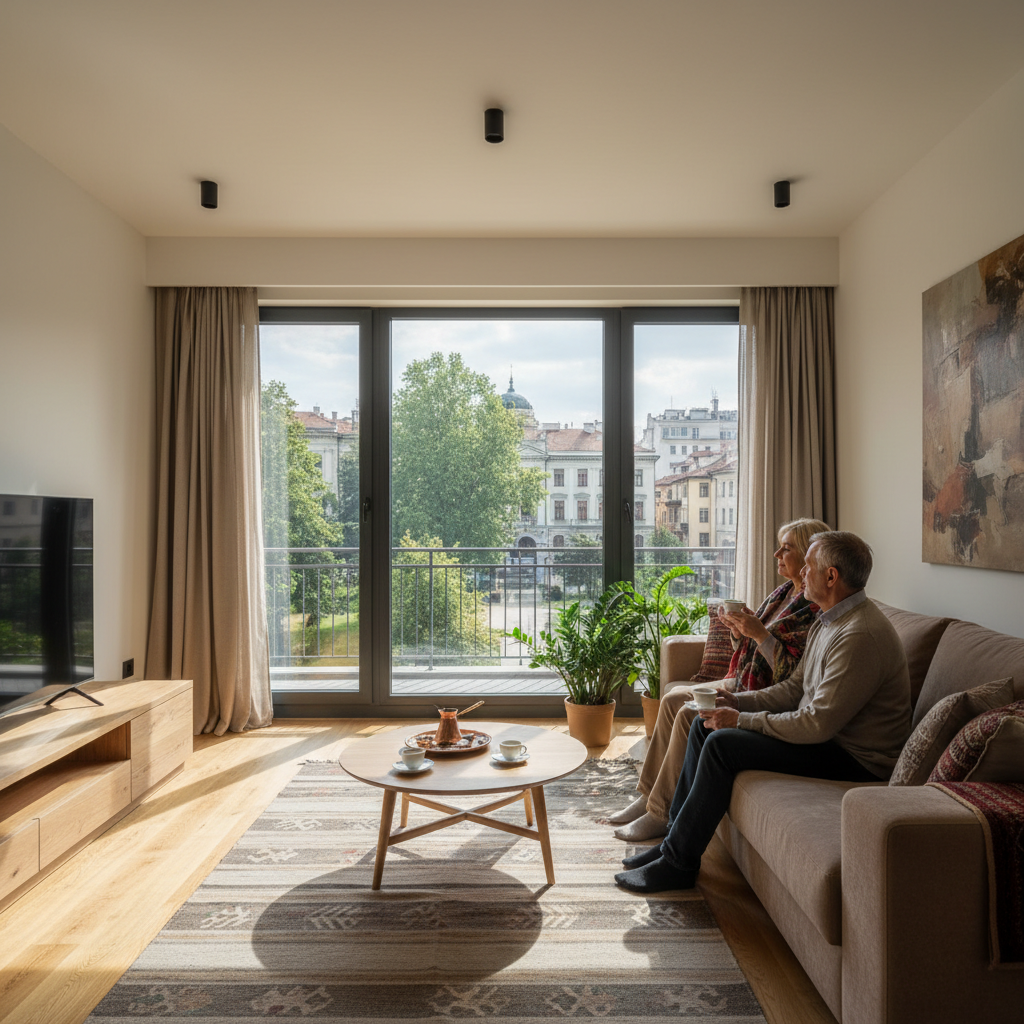
A modern two or three-bedroom apartment in a mid-rise complex is one option for independent retirees. Check lift access, utility bills, shared maintenance charges and building management arrangements. Newer builds with insulation and heating solutions like heat pumps may reduce winter heating costs, depending on construction quality and use.
While charming, traditional village houses often necessitate car ownership and a good grasp of Bulgarian to navigate daily life and local services. For those seeking a managed lifestyle close to amenities, higher-end gated developments in Sofia and along the coast may offer concierge services, security, and communal facilities; check what is included and the ongoing charges. Prices for turnkey 2-bedroom apartments vary by location, building age, condition and specification.
Healthcare Access for Retirees: EU vs. Non-EU
EU citizens holding an S1 form should confirm registration requirements, coverage and any patient charges with the relevant health authorities. While the public system in major cities is largely competent, waiting lists for specialist appointments can be a reality. Retirees considering private health insurance alongside S1 coverage should compare premiums, exclusions, provider access and policy terms. Sofia, Varna, and Plovdiv have private hospitals—such as Acibadem City Clinic, Tokuda, and Hill Clinic; check each provider's services, language support and charges.
Navigating Residency and Visas
Residency requirements depend on nationality and individual circumstances. EU nationals should confirm residence registration deadlines with the local migration office. Income and health-insurance requirements depend on the residence route and individual circumstances; confirm current requirements before applying. Non-EU retirees should check eligibility for a long-stay Visa D and subsequent residence permit, including application arrangements, permit duration and renewal requirements. The 'pensioner' track is a popular route, requiring proof of pension income and health coverage. Property ownership is not a strict requirement for residency; confirm which proof-of-address documents are accepted for your application.
Buying Your Retirement Property: Realistic Expectations
Retiree buyers can compare ready-to-move-in apartments with off-plan developments. A completed property can be inspected before purchase, while off-plan developments require assessment of completion risks, timing and total costs. Here are property types to compare:
- Plovdiv or Burgas: A 1-bedroom apartment with access to city amenities; prices vary by district, building age and condition.
- Varna or Pomorie: A 2-bedroom apartment for coastal living; prices vary by location, building and specification.
- Sofia or the coast: A modern 2-bedroom apartment or coastal new build; compare construction quality, location and ongoing charges.
- Sofia foothills or northern Black Sea coast: A villa with a garden; assess access, condition and maintenance requirements.
Our Buying Guide for Bulgaria outlines the purchase process and considerations to discuss with an independent lawyer.
Is Bulgaria a good country to retire to?
For many, absolutely. Those comfortable with embracing a new language (though English is widely spoken in cities) and appreciating a more laid-back infrastructure may find Bulgaria appealing. Affordability and quality of life depend on your pension, housing costs, healthcare needs and lifestyle.
Sources
- National Revenue Agency (NRA) — Advance income tax
- Ministry of Economy and Industry — Payment of local taxes and fees
- Ministry of Finance — Local Taxes and Fees Act (English text)
Last checked: 6 October 2026. Prices, taxes and rules can change and may vary by municipality and personal circumstances. This page is general information, not legal or tax advice.
Did you know?
- 🍇
Bulgaria is one of the world's oldest wine-producing countries, with a rich viticultural history dating back to the Thracians, producing unique, flavourful varietals.
- 🌹
Bulgaria produces rose oil, an ingredient in perfumes. The 'Valley of Roses' near Kazanlak hosts an annual festival every June.
- 📜
The Cyrillic alphabet, used by over 250 million people worldwide, was developed in the First Bulgarian Empire in the 9th century. Bulgaria celebrates it on May 24th.
- 🌡️
Bulgaria has over 600 natural mineral springs. Towns like Velingrad offer thermal baths and wellness resorts.