
Renting in Bulgaria: Beyond the Basics of Finding Your Home
Dreaming of life in Bulgaria? Whether it's the vibrant pulse of Sofia, the historic charm of Plovdiv, or the coastal breezes of Varna, finding the perfect rental is often the first step. Before committing, check the rental terms, required documents and upfront costs with the landlord.
Rental arrangements in Bulgaria vary by landlord and property. Check the contract length, deposit and currency stated in the listing before budgeting. At Best Property Bulgaria, we're here to guide you through what to expect, where to look, and how to arrange a rental.
Understanding Rental Costs Across Bulgaria Today
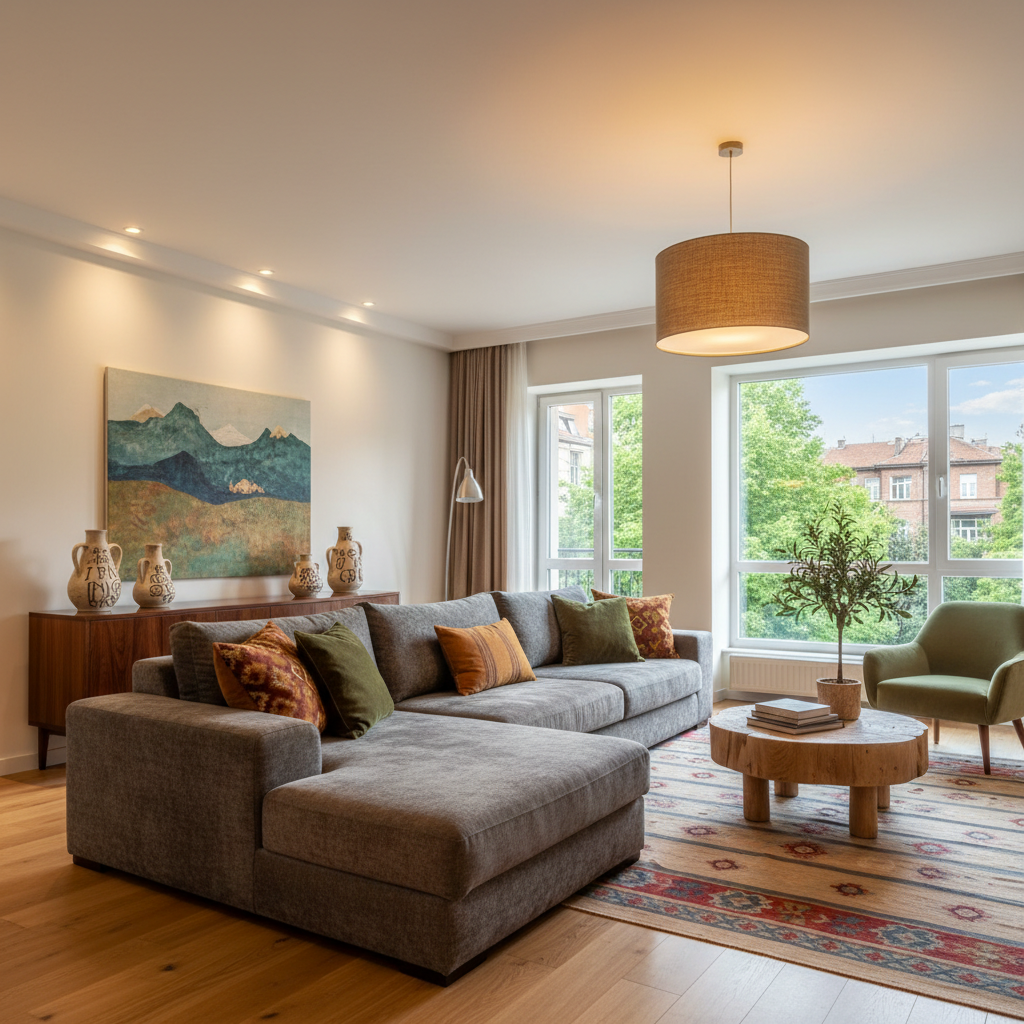
Let’s talk numbers – because that’s often the first question on everyone's mind. In the heart of Sofia, rents for furnished one-bedroom apartments vary by location, building and condition. For a two-bedroom, compare current listings with similar size and specification. For family-sized three-bedrooms in districts like Lozenets or Iztok, check current asking rents and what is included. Check each property's stated floor area and condition when comparing listings.
Outside the capital, compare rents locally rather than assuming a fixed saving. In Plovdiv or Varna, costs vary by neighbourhood, property and lease terms. The same applies in Burgas or Ruse, where current listings provide a more useful comparison than a fixed discount against the capital. Coastal areas come with a caveat: seasonality. For an apartment in Varna, winter and summer rents may differ; confirm the rate and availability for your intended stay.
Deciphering Bulgarian Rental Contracts
Read the terms of each Bulgarian rental contract carefully. Standard long-term agreements run for 12 months, often with an option to renew. The security deposit and any rent payable upfront depend on the landlord and contract. If a contract is drafted in both Bulgarian and English, check that the versions agree and clarify any terms you do not understand.
Check responsibility for electricity, water, hot water and building maintenance fees in the lease; costs vary by usage, building and included services. Heating can be the wildcard; older buildings connected to district heating (TETs) can lead to higher bills in the depths of winter compared to modern, energy-efficient apartments with gas heating or air conditioning systems. Always ask about the heating type!
Where Internationals Are Truly Settling
Sofia is one option for long-term international residents. Districts like Lozenets and Iztok may appeal to expats and digital nomads. Consider local walkability, green spaces and cafés when comparing them. For students and younger professionals, compare rents and transport connections in Studentski Grad with other districts.
On the Black Sea coast, Varna's city center and the Levski district are options to consider for long-term living. While Sunny Beach is synonymous with short-term holiday lets, it’s not really geared for year-round residency. Bansko has a digital-nomad community and co-working spaces; year-round rental costs vary by property and lease terms.
Renting Versus Buying: The Bulgarian Equation
This is a common dilemma, and the answer hinges significantly on your intended duration of stay. For shorter stays, compare the total cost of renting with the purchase, ownership and eventual sale costs of buying. According to the Ministry of Economy and Industry, property acquisition tax is set by each municipal council within the framework of the Local Taxes and Fees Act, so rates differ by municipality. Notary fees depend on property value and regulated tariffs, while legal and agency fees depend on the provider; any tax on a later sale depends on the circumstances.
There is no universal break-even point between renting and buying, including in Sofia. Buying may suit some longer-term plans, but future resale values are uncertain and ownership brings ongoing costs. For a deep dive into these figures, including effective rental yields, property taxes, and complete ownership costs, we encourage you to explore our comprehensive buying guide for Bulgaria and our detailed cost of living in Bulgaria page.
Essential Practical Tips Before You Sign
- Always view in person or via live video: Rental listings can sometimes be outdated, showing photos from months ago. Live viewing ensures you see the current condition.
- Confirm heating type: This is crucial for winter budgeting. Understand if it’s gas, district heating (TETs), AC-only, or electric panels. This can affect winter utility bills considerably.
- Request a copy of the building's monthly fee bill: Maintenance charges vary by building, amenities and included services.
- Get an inventory list signed: Especially for furnished properties, a detailed, signed inventory at handover protects both you and the landlord from disputes about damages or missing items.
- Understand the notice period: Confirm the notice period and termination conditions in your contract.
- Check for internet connectivity: While most modern apartments have it, confirm the existing provider and if installation is needed. Compare available providers, prices and installation terms.
Rental arrangements in Bulgaria depend on the property, landlord and contract. Checking the terms and practical details before signing can help you plan your move. We’re here to help every step of the way!
Sources
- Ministry of Economy and Industry — Payment of local taxes and fees
- Ministry of Finance — Local Taxes and Fees Act (English text)
Last checked: 6 October 2026. Prices, taxes and rules can change and may vary by municipality and personal circumstances. This page is general information, not legal or tax advice.
Did you know?
- 💸
When budgeting for a rental, compare the rent with utilities, building fees and other household expenses.
- 📜
Unlike some Western European countries, long contracts (5+ years) are rare. A standard 12-month lease agreement is the norm, offering tenants flexibility and landlords regular review points.
- ☀️
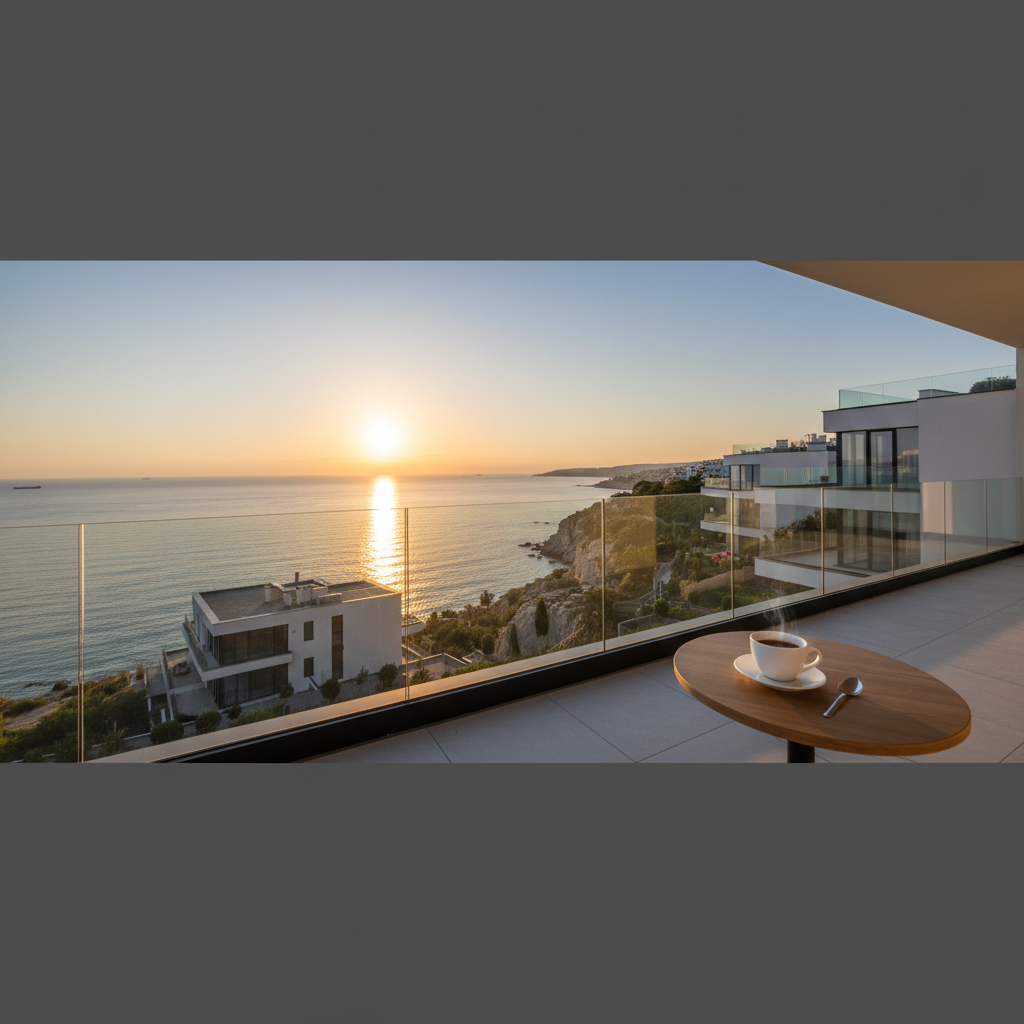
Many Bulgarian apartments, even in cities, feature small balconies or terraces. This provides a cherished outdoor space for morning coffee or evening relaxation, particularly in warmer months.
- 🐶
Pet policies vary by landlord, including in Sofia. Ask whether pets affect the deposit or other rental terms.